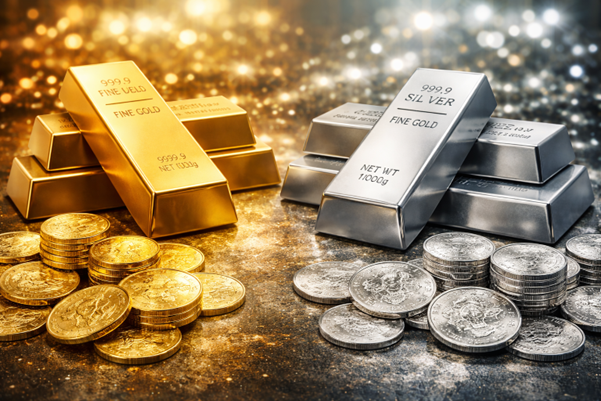
Silver has always held a special place in Indian homes. From puja thalis to family heirlooms, this precious metal is deeply woven into our culture. Today, many people are also looking at silver as a practical investment option. If you’re new to the idea of buying physical silver, this guide will help you understand the basics of silver coins and bars in a clear and easy way.
Why Consider Physical Silver?
For beginners, physical silver feels more “real” than digital or paper-based options. You can see it, touch it, and store it yourself. Silver is also more affordable than gold, making it a good entry point for first-time buyers.
Another reason people prefer silver is its dual role. It has investment value, but it’s also widely used in industries like electronics and solar energy. This constant demand adds to its long-term appeal.
Silver Coins vs Silver Bars: What’s the Difference?
Before buying, it’s important to understand the basic difference between silver coins and silver bars.
Silver coins are usually smaller in weight and easier to buy if you’re starting out. They’re often chosen for gifting, religious purposes, or small investments. Bars, on the other hand, are available in higher weights and are commonly bought by people looking to invest a larger amount in one go.
In simple terms:
- Coins are flexible and beginner-friendly
- Bars are more suitable for long-term, bulk investment
Both options serve different needs, and neither is “better” than the other—it depends on your goal.
Choosing the Right Weight
One of the first decisions you’ll make is choosing the weight. Silver coins usually come in lighter options like 5 grams, 10 grams, or 20 grams. These are ideal if you want to invest gradually or are buying for the first time.
Silver bars are often available in higher weights such as 50 grams, 100 grams, or more. While bigger bars may seem attractive, beginners are usually better off starting small. Smaller weights give you flexibility if you decide to sell part of your holding later.
The key is to buy within your comfort zone and not rush into heavy purchases.
Understanding Purity Levels
When buying physical silver, purity is one of the most important factors to check. Investment-grade silver is typically very high in purity. Higher purity means you’re getting more actual silver for your money.
As a beginner, always ensure you’re buying silver meant for investment rather than decorative or utility use. This helps maintain better resale value in the future.
How to Check Authenticity?
Authenticity matters because silver is a valuable asset. Reputed sellers usually provide proper documentation, sealed packaging, and clear weight and purity markings.
Avoid buying loose silver or items without proper identification. If something looks unusually cheap, it’s worth being cautious. Trust and transparency go a long way when dealing with precious metals.
Storage and Safety
Once you buy physical silver, the next question is storage. Silver should be kept in a clean, dry place to avoid tarnishing. Many people store it in lockers at home or in bank lockers for added safety.
It’s also a good idea to keep invoices and purchase records safely. These documents can be helpful if you decide to sell later.
While silver doesn’t require daily attention, proper storage ensures it retains its value over time.
When Is the Right Time to Buy?
Beginners often worry about timing the market perfectly. The truth is, predicting short-term price movements is difficult. Instead of waiting for the “perfect” price, focus on buying with a long-term mindset.
Many investors prefer spreading their purchases over time. This way, you avoid putting all your money in at one price point. Slow and steady buying works well for physical silver.
Selling Silver in the Future
Liquidity is another factor to keep in mind. Silver coins and bars are generally easy to sell, especially if they are in good condition and purchased from a trusted source.
Smaller weights are often easier to sell quickly, which is another reason beginners lean towards coins. Having flexibility at the time of resale can make a big difference.
Always track silver prices and understand market trends before selling, so you can make informed decisions.
Is Physical Silver Right for You?
Physical silver suits people who prefer tangible assets and are comfortable with long-term holding. It’s not about quick profits but about value preservation and gradual growth.
For beginners, starting with silver coins and bars can be a smart way to diversify savings without heavy financial pressure. It teaches you patience, discipline, and the basics of precious metal investing.
Final Thoughts
Buying physical silver doesn’t have to be complicated. With a clear understanding of weight, purity, storage, and long-term goals, anyone can start confidently. Think of silver as a steady companion in your financial journey—reliable, familiar, and valuable over time.
If you’re just beginning, take small steps, learn as you go, and enjoy the satisfaction of owning a tangible asset that has stood the test of time.