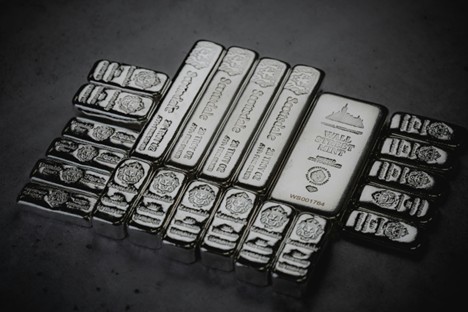
Silver has always been a favourite metal in Indian households—used in jewellery, puja items, utensils, and gifts. But in recent years, something interesting has happened. Silver is no longer just a traditional metal; it has become a crucial part of the world’s clean energy movement. From rooftops covered with solar panels to electric vehicles zooming across cities, modern technology is quietly relying on silver more than ever before.
And this growing connection between clean energy and silver is creating a major surge in silver demand across global markets, including India.
Let’s break down why renewable energy is giving silver such an important role—and why this matters for Indian investors.
Why Silver Matters in Renewable Energy
Most people think of silver in the form of coins, ornaments, or household items. But beyond its cultural use, silver has a scientific superpower—it is the best conductor of electricity among all metals.
This quality makes silver essential in several modern green technologies, such as:
- Solar photovoltaic (PV) cells
- Electric vehicle components
- Wind turbine circuits
- Power grids and smart energy systems
- Battery technology and storage solutions
Because renewable energy systems need efficient conductivity to function smoothly, silver naturally becomes a key component. As these technologies grow, so does silver demand, making it one of the most important metals of the future.
Solar Energy: The Biggest Consumer of Silver Today
Among all industries, solar energy has the highest silver usage.
Each solar panel contains a layer of silver paste that helps conduct electricity. Without this, solar cells wouldn’t be able to convert sunlight into usable power effectively.
India is currently witnessing massive solar expansion—Rajasthan, Gujarat, Karnataka, and several other states are setting up huge solar parks, while households and offices are adopting rooftop solar systems.
Global studies show that solar panel manufacturing alone consumes nearly one-fifth of the world’s total silver supply. With more countries pushing for green goals, this number is expected to grow quickly. Naturally, rising solar installations directly increase silver demand, making it a valuable metal for long-term considerations.
EV Revolution: Another Strong Push for Silver
Electric vehicles (EVs) are becoming increasingly popular across India—from two-wheelers to cars and buses. What many people don’t know is that each EV uses significantly more silver than a regular petrol or diesel vehicle.
Silver is crucial in:
- Battery systems
- Power electronics
- Charging stations
- Electrical connectors
- Energy conversion units
As India focuses heavily on EV adoption, the demand for silver in this sector is set to grow steadily. This is why experts often highlight that EVs are one of the major contributors to rising silver demand worldwide.
Wind Energy and Battery Storage Are Adding More Pressure
While solar and EVs get most of the attention, wind turbines and energy storage technologies also rely heavily on silver. The metal is used in:
- Turbine control panels
- High-performance batteries
- Backup power grids
- Smart energy distribution networks
India’s coastal regions, especially Gujarat and Tamil Nadu, are rapidly expanding their wind energy capacity. With long-term renewable commitments in place, these sectors will continue contributing to silver consumption.
Why Rising Silver Demand Matters for Indian Investors
As renewable technologies grow, silver is shifting from a “traditional metal” to a “technology metal.” This shift has a direct impact on pricing, availability, and long-term value.
Here’s why this trend matters:
- Industrial demand is increasing rapidly
Renewables, electronics, and automotive industries are expanding each year, creating strong and consistent silver demand.
- Supply may not grow at the same pace
Silver mining is limited, and recycling cannot meet growing global needs. - Price appreciation potential
When demand rises faster than supply, prices naturally tend to increase over time. - Dual-purpose value
Silver is both culturally significant in India and industrially required worldwide—making it a unique asset.
As a result, many long-term investors consider silver a smart way to diversify their portfolios, especially in a future driven by clean energy.
What to Keep in Mind Before Investing in Silver
If someone is planning to invest in silver, here are a few simple things to consider:
1. Purity Standards
Always choose high-purity silver (such as 999 or 999.9) to ensure better resale value.
2. Certification
Verify authenticity through proper certification or hallmarking.
3. Storage
Silver can tarnish, so it needs dry, airtight storage to maintain its shine and quality.
4. Market Awareness
Track price movements regularly, as silver prices fluctuate based on global demand.
5. Long-Term Perspective
Because industrial demand drives silver’s long-term value, it’s best viewed as a steady, future-focused investment.
The Bottom Line: Silver’s Future Looks Brighter Than Ever
With India and the world rapidly shifting towards renewable energy, silver has become more important than ever before. Whether it’s powering solar panels, boosting EV efficiency, or improving battery systems, the metal is at the heart of the clean-energy revolution.
This rise in silver demand is not just a global industrial trend—it also creates valuable opportunities for everyday Indian investors. As renewable energy continues to expand, silver is expected to remain a strong, reliable, and future-ready asset.
In the coming years, silver may shine even brighter than gold in the world of sustainable technology—making it a metal worth watching closely.